A property brochure can make almost every residential project look attractive. Large green lawns, elegant towers, spacious living rooms and impressive amenities are usually presented in the best possible way. But for a serious homebuyer, a brochure should not be treated only as a marketing document. It should be read as a starting point for deeper project verification.

πŸ”₯ Essential Property Upgrades

Expert Recommended | Lowest Price Guaranteed Today

BESTSELLER Smart Doorbell
Smart Wireless Video Doorbell
β˜…β˜…β˜…β˜…β˜… (12k+ Reviews)

Never miss a visitor. See, hear, and speak to anyone from your phone.

Limited Time Deal Check Offer
Smart Lock
Biometric Fingerprint Smart Lock
β˜…β˜…β˜…β˜…β˜… (8k+ Reviews)

Forget keys. Use fingerprint, OTP, or RFID card for secure home access.

Price Dropped! Check Offer
Air Purifier
True HEPA Air Purifier
β˜…β˜…β˜…β˜…β˜… (15k+ Reviews)

Removes 99% of dust and smoke. A must for luxury apartment living.

Top Rated Check Offer
Robo Vacuum
Automatic Robotic Vacuum & Mop
β˜…β˜…β˜…β˜…β˜† (5k+ Reviews)

Effortless floor cleaning. Perfect for keeping large villas dust-free.

Save 20% Today Check Offer
Smart Lights
Wi-Fi Smart LED Strip Lights
β˜…β˜…β˜…β˜…β˜† (22k+ Reviews)

Voice controlled mood lighting for false ceilings and balconies.

Under β‚Ή1999 Check Offer
Echo Dot
Amazon Echo Dot (5th Gen)
β˜…β˜…β˜…β˜…β˜… (45k+ Reviews)

The brain of your smart home. Control everything with your voice.

Hot Choice Check Offer
Water Sensor
Smart Water Leak Detector
β˜…β˜…β˜…β˜…β˜† (2k+ Reviews)

Avoid expensive floor damage. Get instant alerts for water leaks.

Safety Essential Check Offer
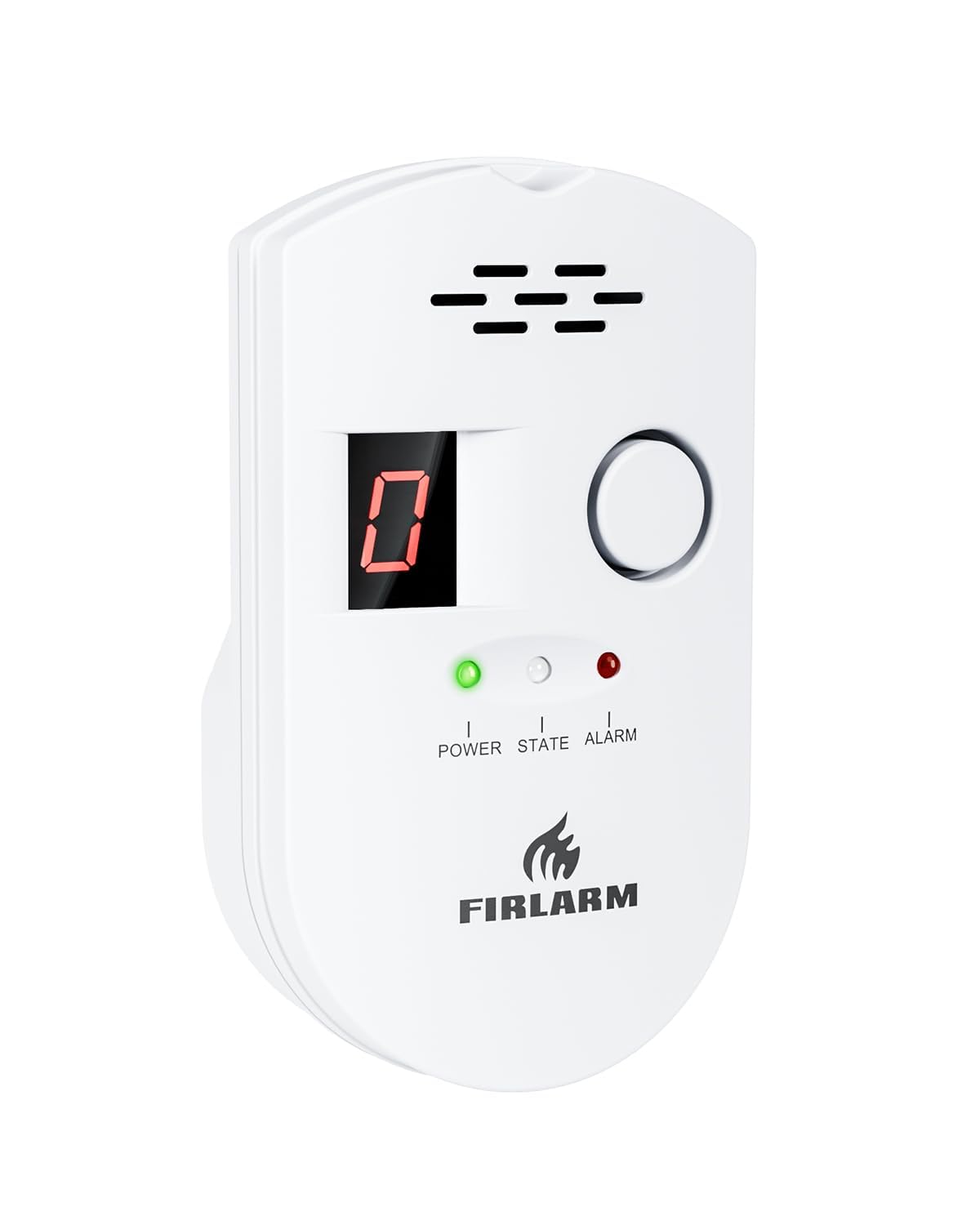
Gas Sensor
Gas Leak Detector with Alarm
β˜…β˜…β˜…β˜…β˜† (1k+ Reviews)

Must-have for modular kitchens. Detects LPG/PNG leaks instantly.

Life Saver Check Offer
Vertical Garden
Self-Watering Vertical Garden Pots
β˜…β˜…β˜…β˜…β˜† (3k+ Reviews)

Transform your balcony into a green paradise with zero effort.

Best for Balconies Check Offer
Wall Mirror
Modern Decorative LED Wall Mirror
β˜…β˜…β˜…β˜…β˜… (4k+ Reviews)

Adds a premium touch to your washrooms and vanity areas.

Interior Pick Check Offer
Solar Lights
Outdoor Solar Motion Sensor Lights
β˜…β˜…β˜…β˜…β˜† (10k+ Reviews)

Perfect for terraces and gardens. No wiring, zero electricity bills.

Zero Running Cost Check Offer
NEW TREND Coffee Maker
Premium Espresso Coffee Machine
β˜…β˜…β˜…β˜…β˜… (6k+ Reviews)

Luxury for your kitchen. Make cafΓ©-quality coffee at home.

Luxury Living Check Offer
*Price and availability are accurate at the time of publishing. Verified by Property Specialists.

This is especially important when evaluating a Hoskote project brochure, because Hoskote is seeing new apartment communities, township developments and high-rise projects across different micro-locations.

Two projects marketed under the same β€œHoskote” label can differ significantly in terms of:

  • Exact location
  • Road access
  • Apartment sizes
  • Carpet-area efficiency
  • Tower density
  • Open spaces
  • Possession timeline
  • Amenities
  • Water planning
  • RERA registration
  • Total purchase cost

A brochure may highlight the most attractive parts of a project while giving less visual importance to terms, exclusions or phase-specific details that can affect the buying decision.

The right approach is therefore not to ask:

β€œDoes this brochure look good?”

Instead ask:

β€œWhat does this brochure actually tell me, what does it not tell me, and what must I verify before booking?”

This guide explains how to read a Hoskote residential project brochure carefully, including the floor plan, master plan, specifications, pricing, amenities and legal details.


1. Start With the Project Identity Before Looking at Amenities

The first page of a residential brochure usually focuses on the project name, developer, lifestyle theme and attractive visuals.

Before getting influenced by the presentation, identify the basic project information.

Write down:

  • Project name
  • Developer or promoter
  • Exact location
  • Project status
  • RERA number
  • Land area
  • Number of towers
  • Total units
  • Configurations
  • Possession timeline

If any of these basic details are unclear, note them for verification.

Project name versus phase name

Large residential developments may have multiple phases.

The brochure may use one township name while the legal registration refers to a specific phase.

For example, the development can have:

Township Name β†’ Phase β†’ Tower β†’ Apartment

Buyers should understand exactly which part of the project they are considering.

Check the developer and legal promoter

The marketing brand and registered promoter may not always be written exactly the same way.

This is not automatically a problem, but buyers should understand the relationship.

Verify that:

  • Booking documents
  • Cost sheet
  • RERA information
  • Agreement for Sale

refer to the correct entity and project phase.

Do not skip the fine print

Brochure pages can include terms such as:

  • Artist’s impression
  • Indicative image
  • Subject to approval
  • Tentative
  • Conceptual
  • Not to scale

These phrases matter.

If a clubhouse, landscape, road or view is shown as conceptual, do not assume it will appear exactly the same after construction.

Buyers can use a broader Hoskote buyer guide alongside the project brochure to create a structured verification checklist before paying a booking amount.


2. Read the Location Page More Carefully Than the Lifestyle Pages

A location map is one of the most important parts of any Hoskote project brochure.

However, location maps are often designed to make major destinations appear visually closer.

Do not judge the location by the map alone.

Check actual road distance

The brochure may highlight:

  • Whitefield
  • KR Puram
  • Old Madras Road
  • Budigere Cross
  • Airport
  • IT parks
  • Schools
  • Hospitals

Write down the claimed distance or travel time.

Then verify the real route separately before visiting the sales office.

Understand the exact micro-location

β€œHoskote” can refer broadly to multiple residential pockets.

A project may be:

  • Inside Hoskote Town
  • Near Old Madras Road
  • Towards Budigere Cross
  • On Hoskote–Malur Road
  • On the outskirts
  • In a developing residential pocket marketed as Greater Whitefield

These locations can offer very different living experiences.

Main-road proximity is not enough

Suppose a brochure says:

β€œ5 minutes from Old Madras Road.”

Ask:

  • What is the final approach road?
  • Is it two-lane or narrow?
  • Is it paved?
  • Is there drainage?
  • Does it carry heavy vehicles?
  • Is street lighting available?

Last-mile connectivity can have a major impact on daily life.

Test the commute

Before booking, personally test:

Morning: Project β†’ Office
Evening: Office β†’ Project

Also check:

  • School route
  • Hospital route
  • Supermarket access

A location should be evaluated based on your normal routine, not weekend traffic.


3. Learn to Read the Floor Plan Properly

The floor plan is one of the most important pages in the brochure.

Unfortunately, many buyers look only at:

  • BHK configuration
  • Saleable area
  • Balcony
  • Bedroom count

A better review goes much deeper.

See also  Unveiling Godrej Whitefield Row Houses: East Bengaluru’s Elite Address

Start with room dimensions

Check the actual dimensions of:

  • Living room
  • Dining area
  • Master bedroom
  • Secondary bedroom
  • Kitchen
  • Toilets
  • Balcony
  • Utility

A room may look spacious in a diagram because furniture is drawn smaller than real life.

Do not rely only on visual proportion.

Ask for carpet area

Brochures may prominently display:

  • Saleable area
  • Super built-up area
  • SBA

But for actual usability, buyers should understand the RERA carpet area.

Use:

Carpet Area Γ· Saleable Area Γ— 100

This helps estimate floor-plan efficiency.

Living-room test

Imagine placing:

  • Full-size sofa
  • TV unit
  • Coffee table
  • Dining table

Then ask whether enough circulation space remains.

Bedroom test

Check whether the room can comfortably fit:

  • Queen or king bed
  • Wardrobe
  • Side tables
  • Study desk where required

A bedroom label alone does not guarantee practical space.

Kitchen test

Check:

  • Counter length
  • Storage
  • Refrigerator placement
  • Sink position
  • Hob
  • Utility
  • Washing machine

Long-term homebuyers should pay special attention to kitchen efficiency because it affects everyday usability.

Passage space

Long internal passages can waste usable area.

Compare how much space is dedicated to:

  • Corridors
  • Foyers
  • Dead corners

A smaller apartment with an efficient layout can sometimes feel more spacious than a larger apartment with poor planning.

Balcony size

Large balconies can be attractive but also add to the apartment’s total marketed area.

Ask yourself:

Will we actually use this space regularly?

If the answer is no, you may be paying for area that adds limited practical value.


4. Understand the Master Plan Before Choosing a Tower

The master plan explains how the entire project has been arranged.

It is different from the apartment floor plan.

The floor plan tells you what is inside your apartment.

The master plan tells you where your apartment sits within the overall development.

Identify your tower

Find:

  • Tower number
  • Entry
  • Exit
  • Internal roads
  • Clubhouse
  • Swimming pool
  • Children’s area
  • Sports courts
  • Basement ramp
  • Utility zones
  • Future phases

Check tower spacing

Adequate tower separation can improve:

  • Privacy
  • Natural light
  • Ventilation
  • Views

If towers are positioned very close together, a higher floor may still face another apartment building.

Understand apartment facing

Do not select only by:

East-facing / West-facing

Also ask what the apartment actually faces.

For example:

East-facing + another tower

can be less attractive than:

North-facing + open landscape

depending on the buyer’s preference.

Noise sources

Look for apartments near:

  • Main road
  • Clubhouse
  • Children’s play area
  • Sports court
  • Entry gate
  • Basement ramp
  • Utility area

These locations may provide convenience but can also create more activity and noise.

Better selection sequence

Choose in this order:

Tower β†’ Stack β†’ Orientation β†’ Floor β†’ Unit

rather than selecting a floor first.

Open-space claims

A brochure may advertise:

70% open space
or
80% green space

Ask what the percentage includes.

It may include:

  • Roads
  • Setbacks
  • Landscape
  • Sports areas
  • Water bodies
  • Utility space

The amount of usable landscaped open space matters more than the marketing percentage alone.


5. Read the Specifications Page Line by Line

The specifications section may look technical, but it can reveal a lot about the eventual quality of the home.

Check each category separately.

Flooring

Look for specifications in:

  • Living room
  • Bedrooms
  • Kitchen
  • Bathrooms
  • Balcony

Words such as β€œpremium flooring” are less useful than an actual specification.

Ask:

  • Vitrified tile?
  • Marble?
  • Wooden laminate?
  • Anti-skid tile?

Doors and windows

Check:

  • Main-door material
  • Internal doors
  • Window frame type
  • Glass specifications

The quality of windows can affect:

  • Noise
  • Ventilation
  • Heat
  • Maintenance

Kitchen

Read whether the developer is providing:

  • Counter
  • Sink
  • Dado tiles
  • Chimney point
  • Hob point
  • Water purifier provision

Do not assume modular kitchen cabinets are included unless explicitly mentioned.

Bathrooms

Check:

  • Sanitaryware
  • CP fittings
  • Shower
  • Geyser provision
  • Exhaust provision
  • Tile height

Electrical

Look for:

  • Number of power points
  • AC points
  • TV points
  • Internet provision
  • Power backup

Home automation

If smart-home features are advertised, ask exactly what is included.

For example:

  • Digital lock
  • Video door phone
  • Smart switches
  • App control

Avoid assuming the entire home is automated from one marketing phrase.


6. Do Not Judge Amenities Only by Quantity

A brochure may advertise 30, 40 or even 50 amenities.

That number alone does not make the project better.

The key question is:

How useful are these amenities for the number of residents?

Focus on core facilities

For most families, practical amenities may include:

  • Swimming pool
  • Gym
  • Children’s play area
  • Walking track
  • Sports courts
  • Community hall
  • Landscaped areas
See also  Godrej Yelahanka Bangalore | Buy Your Perfect Home for Lifestyle

Amenity capacity matters

Suppose two projects both offer a gym.

Project A:

  • 600 apartments
  • Large gym

Project B:

  • 2,000 apartments
  • Small gym

The brochure may simply say β€œGymnasium” for both.

But the actual resident experience can be very different.

Ask about clubhouse area

Compare:

Clubhouse Area Γ· Total Homes

This can provide a rough indication of amenity capacity.

Ask whether amenities are shared

In large township projects, some amenities may be shared across several phases.

Check:

  • Which facilities belong to your phase?
  • Which are shared?
  • When will they be completed?
  • Are they delivered with your possession?

Maintenance impact

Every premium facility requires maintenance.

Large pools, sports courts, landscaped areas and clubhouses can increase monthly maintenance costs.

Do not evaluate amenities without asking about long-term charges.


7. Read the Pricing Page Beyond the Starting Price

A brochure often highlights:

β€œStarting from β‚ΉX Cr”*

The asterisk matters.

The quoted figure may represent:

  • Smallest configuration
  • Lowest floor
  • Limited inventory
  • Base cost only

The actual apartment you prefer may cost significantly more.

Ask for an all-inclusive cost sheet

The final purchase cost may include:

  • Base value
  • Floor-rise charges
  • Preferential location charges
  • Parking
  • Amenity charges
  • Infrastructure charges
  • Maintenance deposit
  • Corpus fund
  • GST where applicable
  • Stamp duty
  • Registration

Understand β€œ++”

If a brochure says:

β‚Ή1.50 Cr++*

ask exactly what the β€œ++” represents.

Never make an affordability calculation using only the headline price.

Calculate interior cost too

After possession, buyers may spend on:

  • Modular kitchen
  • Wardrobes
  • Furniture
  • Lighting
  • Appliances
  • Curtains
  • Home automation

The true financial requirement extends beyond the builder payment.


8. Check Possession and Construction Stage Carefully

A brochure may use phrases such as:

  • New Launch
  • Pre-Launch
  • Under Construction
  • Nearing Possession

Each stage has different implications.

Pre-launch or early launch

Potential advantages:

  • Wider unit choice
  • Better floor selection
  • Early-stage pricing

Potential disadvantages:

  • Longer wait
  • More uncertainty
  • Higher rent during construction

Under construction

Buyers can potentially observe:

  • Progress
  • Tower placement
  • Surroundings

but still face a waiting period.

Near-completion

Advantages include:

  • Better visibility
  • Shorter wait

but inventory may be limited.

Check the registered possession date

Do not rely only on:

β€œExpected possession”

Ask for the registered timeline applicable to your phase.

Large townships may have different possession dates for different towers.


9. RERA Information Should Match the Brochure

The brochure should ideally identify the project’s RERA registration.

Buyers should check that the information matches the apartment being offered.

Verify:

  • Project name
  • Promoter
  • Phase
  • Tower
  • Registration number
  • Completion date

Multiple RERA registrations

Large projects may have separate registrations for different phases.

This is why buyers should ask:

β€œWhich RERA registration covers my tower?”

Carpet area consistency

Compare the area shown in:

  • Brochure
  • Cost sheet
  • Booking form
  • Agreement

Any major inconsistency should be clarified before payment.


10. Understand What CGI and Artist Impressions Mean

Many brochure visuals are Computer Generated Images.

They help buyers visualise the completed project but should not be treated as photographs of the final outcome.

CGI may show

  • Mature trees
  • Luxury furniture
  • Decorative lighting
  • Open skyline
  • Landscaped gardens
  • Water features

Actual conditions may differ.

Pay attention to disclaimers

Common wording includes:

  • Artist’s impression
  • Indicative only
  • Not to scale
  • Subject to change

Treat visual elements separately from written contractual specifications.


11. Compare the Brochure With the Site Visit

Do not book immediately after reading the brochure.

Visit the site and compare reality against the document.

Carry the brochure during the visit

Check:

  • Location
  • Road
  • Tower placement
  • Neighbourhood
  • Nearby buildings

Ask the salesperson to show the master plan

Identify the exact apartment.

Ask:

β€œWhere exactly is this unit on the project plan?”

Visit nearby infrastructure

Instead of only hearing that a school is nearby, drive there.

Do the same for:

  • Hospital
  • Supermarket
  • Main road

A 10-minute verification can prevent years of inconvenience.


12. Compare Multiple Hoskote Residential Projects Using the Same Checklist

One of the biggest mistakes buyers make is evaluating each project differently.

For example:

Project A is chosen because of amenities.

Project B is evaluated mainly on price.

Project C is judged by location.

This creates an unfair comparison.

Buyers reviewing different Hoskote residential projects should score every option using the same framework.

100-Point Brochure Comparison Framework

FactorWeight
Location & commute20
Price & total cost15
Floor-plan efficiency15
Master plan10
RERA/legal clarity10
Possession timeline10
Specifications5
Amenities5
Social infrastructure5
Maintenance & utilities5
Total100

This converts the brochure from a marketing tool into a decision-making document.

See also  Sumadhura Devanahalli: Premium Living in North Bangalore

Hoskote Project Brochure Red Flags

Watch for these warning signs:

  • Exact location not clearly mentioned
  • Only travel times, no distances
  • No carpet area
  • No tower layout
  • No phase information
  • Only starting price shown
  • Too many β€œtentative” specifications
  • Amenities without dimensions
  • Possession date unclear
  • RERA information difficult to identify
  • View claims without master-plan context

One issue alone does not automatically make a project bad.

But multiple unclear points mean the buyer should slow down and verify more information before booking.


Questions to Ask After Reading a Hoskote Project Brochure

Take these questions to the sales team:

  1. What is the exact RERA carpet area?
  2. Which phase contains this apartment?
  3. What is the registered possession date?
  4. What is the all-inclusive cost?
  5. Which tower and stack is available?
  6. What does the apartment face?
  7. How many lifts are provided?
  8. What is the estimated maintenance?
  9. What is the water source?
  10. Which amenities are phase-specific?
  11. What is shared with other phases?
  12. What is the refund policy after booking?
  13. Are floor-rise charges applicable?
  14. Are parking and clubhouse charges included?
  15. What specifications are legally committed?

If these questions are answered clearly, the buyer can evaluate the project more confidently.


Frequently Asked Questions About Hoskote Project Brochures

What should I check first in a Hoskote project brochure?

Start with the project name, developer, exact location, RERA details, configuration, land area, possession timeline and apartment sizes before looking at amenities or visual design.

Is the floor plan more important than the saleable area?

For end users, floor-plan efficiency is extremely important. A larger saleable area does not automatically mean more usable living space. Compare RERA carpet area and room dimensions.

How should I read a project master plan?

Identify your tower, stack, facing, internal roads, clubhouse, sports areas, basement ramps and neighbouring towers. This helps you understand views, privacy and potential noise.

Are brochure images guaranteed?

Not necessarily. Many are CGI or artist impressions. Written specifications and contractual documents are more important.

Should I trust the starting price shown in a brochure?

Treat it only as an entry figure. Request the all-inclusive cost for the exact apartment you want.

What does β€œsubject to change” mean?

It generally means the displayed design or information may change according to approvals or project development. Ask what is formally committed in the Agreement for Sale.

Should I verify RERA even when the number is shown in the brochure?

Yes. Buyers should confirm that the registration applies to the correct project phase and tower.

How can I compare two Hoskote project brochures?

Use the same criteria for both: location, total cost, carpet area, master plan, possession, specifications, RERA details, amenities and maintenance.


Final Checklist Before Booking

Before paying the booking amount, make sure you understand:

Project

  • Project and phase name
  • RERA registration
  • Developer/promoter
  • Possession

Apartment

  • Tower
  • Stack
  • Floor
  • Facing
  • Carpet area
  • Room sizes

Price

  • Base cost
  • Additional charges
  • Registration
  • Taxes
  • Maintenance deposit

Lifestyle

  • Schools
  • Hospitals
  • Commute
  • Shopping
  • Amenities

Documentation

  • Cost sheet
  • Booking form
  • Agreement for Sale
  • Payment schedule
  • Cancellation terms

If even one major item remains unclear, get written clarification before proceeding.


Conclusion

A Hoskote project brochure should be treated as the beginning of property research, not the final basis for a booking decision.

Beautiful visuals, large amenity lists and attractive starting prices can help introduce a project, but serious buyers should look beyond the presentation.

The most important brochure sections are:

  • Location
  • Floor plan
  • Master plan
  • Specifications
  • Price
  • Possession
  • RERA information

Read each section with one question in mind:

β€œHow will this affect my actual ownership and living experience?”

Check usable carpet area instead of only marketed square footage. Study tower position instead of only floor number. Calculate the all-inclusive cost instead of only the starting price. Verify the registered possession date instead of relying on an approximate handover promise.

Most importantly, compare what the brochure says with the actual site, cost sheet and legal documents.

A good property decision is not made because the brochure looks premium. It is made when the brochure, site condition, financial numbers and legal documents all tell the same story.