
 By abheecodenamenewdimension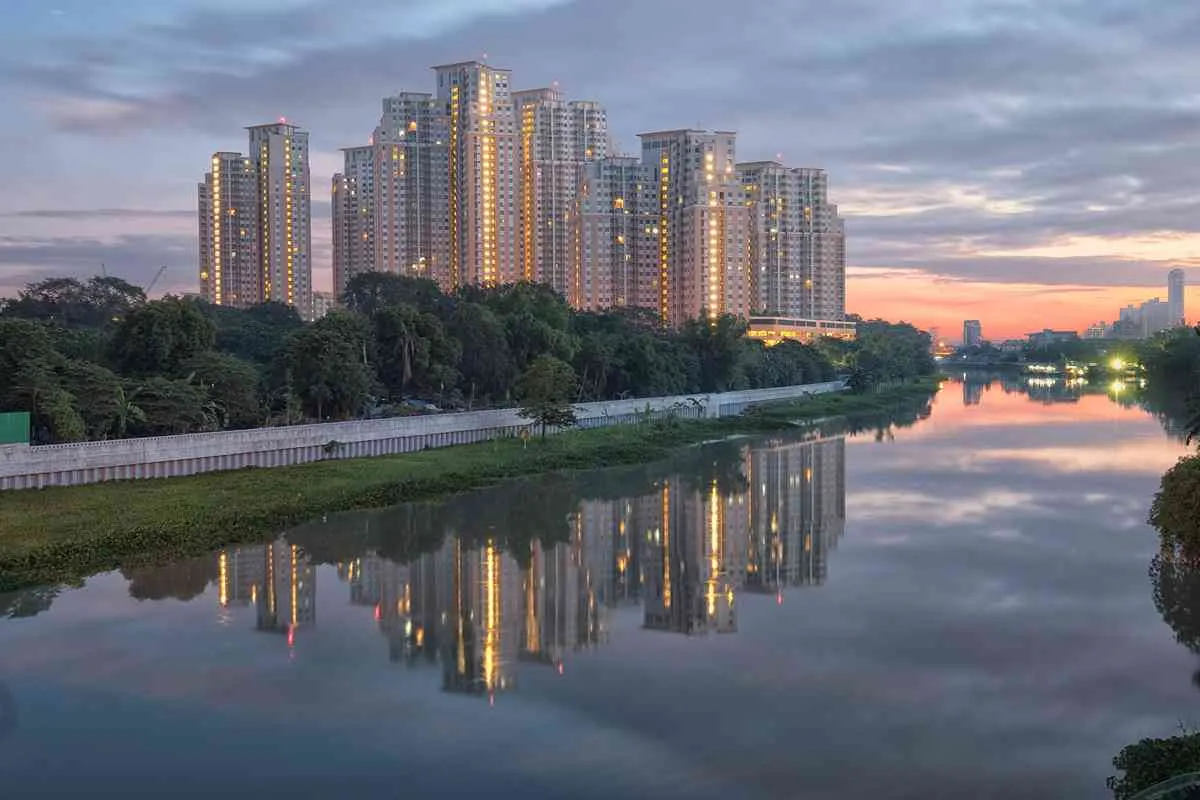
Introduction: Why Integrated Townships Are Becoming the New Urban Standard
East Bangalore has undergone a visible transformation over the past decade—from a peripheral IT corridor into a highly structured residential growth zone supported by infrastructure upgrades, employment hubs, and transit-oriented planning. In this evolving context, large-format integrated townships are increasingly becoming the preferred development model for both end-users and long-term real estate investors.
Projects such as Abhee Codename New Dimension, currently introduced as Abhee Celestial City Phase 2, represent a shift away from standalone apartment blocks toward master-planned communities that combine housing, lifestyle infrastructure, and long-term urban scalability within a single ecosystem.
This blog explores how township-led planning—especially in emerging micro-markets of East Bangalore—is shaping livability, asset resilience, and urban growth through developments led by builders like Abhee Projects Bangalore.
What Is an Integrated Township in the Context of East Bangalore?

An integrated township is a large-scale residential development built on expansive land parcels—often exceeding 25 to 50 acres—designed with internal infrastructure, green zones, social amenities, and future-ready planning frameworks.
Unlike conventional apartment projects, integrated townships like Abhee Codename New Dimension are typically structured to include:
- Zoned residential clusters
- Landscaped open spaces
- Internal mobility corridors
- Community amenities
- Recreational infrastructure
- Future retail or social zones
- Sustainability-focused planning elements
In rapidly urbanizing zones such as Whitefield–Varthur–Sarjapur Road, these developments are no longer optional luxuries but functional necessities aligned with population density growth.
The Role of Abhee Celestial City Phase 2 in Emerging Township Corridors
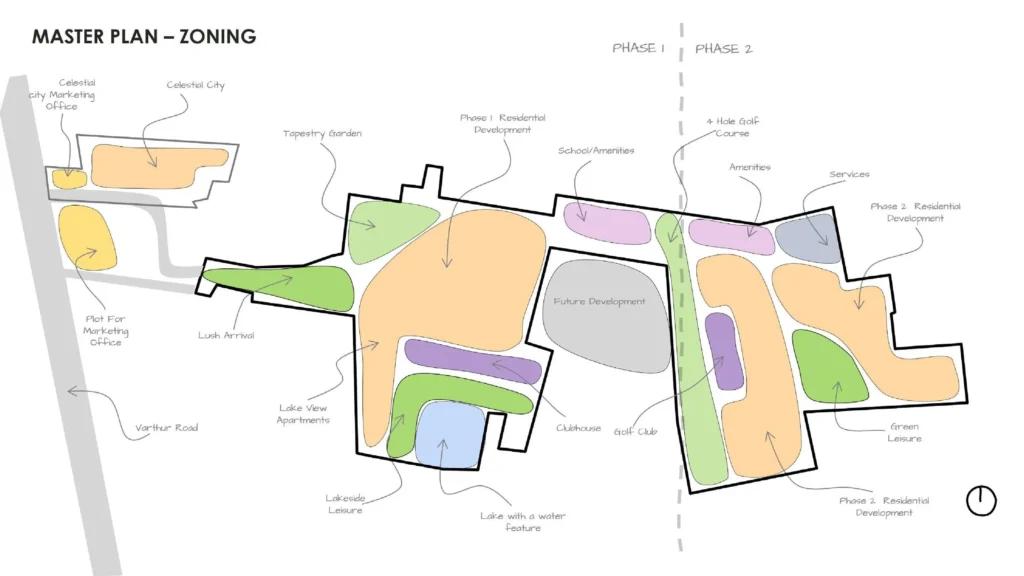
Positioned within one of Bangalore’s most infrastructure-aligned growth belts, Abhee Celestial City Phase 2—also known as Abhee Codename New Dimension—is conceptualized as a continuation of a broader township ecosystem initiated under Phase 1.
This phased approach to township expansion allows:
- Infrastructure continuity
- Demand absorption over time
- Reduced pressure on local civic utilities
- Progressive community formation
- Multi-stage urban density planning
By introducing residential units across multiple stages, township formats can maintain livability even as population inflow increases—an increasingly critical factor in East Bangalore’s IT-led housing markets.
Transit-Oriented Development (TOD) and Its Influence on Township Demand

Transit-Oriented Development (TOD) is one of the most influential planning principles currently shaping township projects in Bangalore.
Projects such as Abhee Codename New Dimension are being developed in zones where:
- Peripheral Ring Road (PRR) alignment is proposed
- Metro connectivity is expanding toward Whitefield and Sarjapur
- IT corridors are extending toward Varthur
- Road-widening initiatives are underway
TOD-integrated townships enable:
- Reduced daily commute times
- Higher rental attractiveness
- Improved resale liquidity
- Greater walkability
- Enhanced urban sustainability
These advantages are particularly relevant for working professionals employed across IT hubs in East Bangalore’s technology belt.
Social Infrastructure Planning Within Township Environments
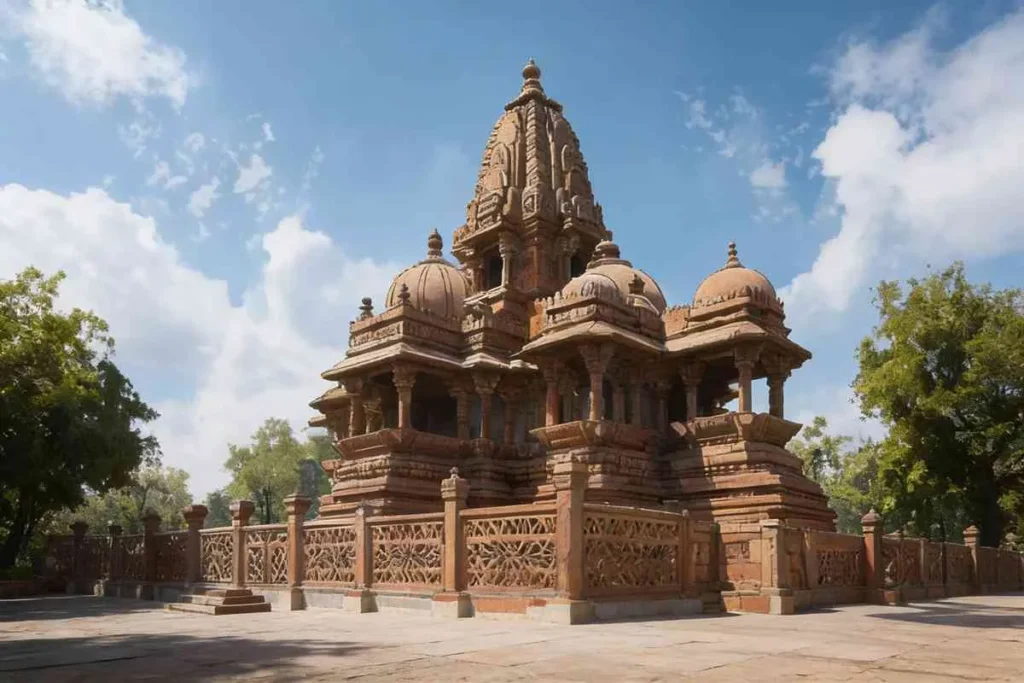
Modern integrated developments such as Abhee Celestial City Phase 2 are typically designed to internalize lifestyle infrastructure that would otherwise depend on city-level availability.
Common planning inclusions often include:
- Clubhouses
- Jogging tracks
- Multipurpose sports courts
- Children’s play areas
- Senior citizen seating zones
- Indoor recreation spaces
- Landscaped community gardens
This internalization of social infrastructure allows township residents to maintain lifestyle quality independent of external civic variability—a known challenge in rapidly developing suburbs.
Environmental Planning and Open Space Distribution
Open space planning is a defining feature of township developments like Abhee Codename New Dimension.
Typically, township master plans allocate:
- 60% to 70% land for non-residential use
- Green belts and tree-lined avenues
- Pedestrian-friendly pathways
- Rainwater harvesting zones
- Water management infrastructure
- Micro-climate regulating landscape buffers
Such environmental planning frameworks help in:
- Reducing heat island effect
- Improving air circulation
- Enhancing daylight penetration
- Supporting long-term sustainability metrics
In East Bangalore’s high-density future, these elements may directly influence livability benchmarks.
Long-Term Asset Resilience Through Township Planning
Integrated townships have historically demonstrated greater resilience in resale and rental markets when compared to standalone apartment complexes.
Township developments such as Abhee Celestial City Phase 2 benefit from:
- Planned density distribution
- Phased infrastructure delivery
- Controlled population inflow
- Uniform design guidelines
- Community-based governance frameworks
These attributes contribute toward:
- Demand stability
- Rental retention
- Lower vacancy cycles
- Enhanced capital value retention
For investors evaluating emerging residential micro-markets, township-based projects developed by firms such as Abhee Projects Bangalore offer a structurally planned entry into Bangalore’s evolving housing ecosystem.
Conclusion: The Future of Residential Growth in East Bangalore
As Bangalore continues expanding toward its eastern peripheries, township-led planning is expected to play a defining role in shaping the city’s next-generation residential clusters.
Projects like Abhee Codename New Dimension—positioned within infrastructure-aligned corridors and introduced as Abhee Celestial City Phase 2—represent an urban development approach that integrates housing, lifestyle, environment, and connectivity into a cohesive planning model.
With continued execution by developers such as Abhee Projects Bangalore, integrated residential townships may increasingly serve as foundational elements of East Bangalore’s long-term urban framework—offering scalable, community-centric, and infrastructure-synced living environments for future city residents.