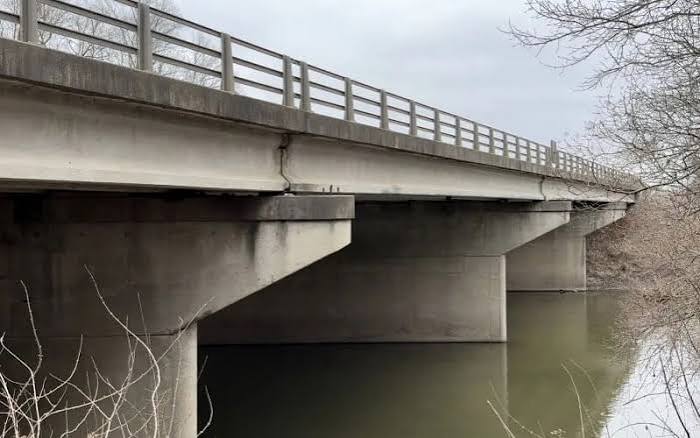
Bridges are among the most critical assets in transportation infrastructure. They connect cities, industries, highways, rail networks, and rural communities while supporting thousands of vehicles every day. Continuous exposure to heavy traffic, changing weather conditions, moisture, pollution, seismic activity, and aging materials gradually weakens bridge components. Without timely intervention, minor defects can develop into major structural problems that affect both safety and serviceability. This is why bridge repair services play an essential role in maintaining long-lasting infrastructure. Bridge owners, government agencies, industrial facilities, and infrastructure developers often look for reliable bridge repair contractors when they notice cracks, corrosion, settlement, concrete deterioration, or load-bearing issues. Modern bridge rehabilitation combines detailed structural assessment with advanced repair technologies that restore strength while minimizing traffic disruption. Choosing the right repair method depends on the bridge’s condition, structural design, environmental exposure, and future loading requirements.
*Price and availability are accurate at the time of publishing. Verified by Property Specialists.
What Are Bridge Repair Services?
Bridge repair services involve identifying, repairing, strengthening, and restoring damaged bridge components to improve structural integrity and extend service life. Rather than replacing the entire bridge, engineers focus on repairing affected sections while maintaining overall structural performance and safety.
Repair work may include concrete restoration, corrosion protection, crack injection, deck rehabilitation, bearing replacement, expansion joint repairs, waterproofing, strengthening girders, pier rehabilitation, foundation stabilization, and seismic retrofitting. Every repair solution is developed after detailed engineering analysis to ensure the bridge continues performing safely under current and future traffic demands.
Why Bridge Repairs Are Becoming More Important
Many bridges worldwide have been operating far beyond their original design life. Increased traffic volumes, heavier commercial vehicles, environmental deterioration, and inadequate maintenance accelerate structural wear. Instead of complete reconstruction, timely repairs help infrastructure owners reduce costs while maintaining uninterrupted transportation.
Bridge repairs also support sustainable infrastructure development. Extending the service life of existing bridges minimizes demolition waste, reduces construction materials, lowers environmental impact, and preserves valuable transportation networks. Regular inspections combined with preventive maintenance significantly reduce emergency repair costs and unexpected closures.
Common Signs That a Bridge Requires Repair
Early identification of structural distress allows engineers to perform repairs before damage becomes severe. During inspections, professionals evaluate both visible deterioration and hidden structural weaknesses that may compromise long-term performance.
Common warning signs include:
Concrete cracks
Reinforcement corrosion
Spalling concrete
Water leakage
Expansion joint damage
Bridge deck deterioration
Surface scaling
Exposed reinforcement
Settlement near foundations
Bearing displacement
Rust stains
Deflection of structural members
Loose parapets
Uneven riding surface
Excessive vibration under traffic
These symptoms often indicate deeper structural issues requiring professional engineering evaluation.
Major Causes of Bridge Damage
Understanding why bridges deteriorate helps infrastructure owners plan effective repair strategies. Multiple environmental and operational factors contribute to structural degradation over time.
Heavy vehicle loading creates repeated stress cycles that gradually weaken structural members. Rainwater infiltration carries chlorides into concrete, initiating reinforcement corrosion. Freeze-thaw cycles expand existing cracks, while high temperatures cause thermal movement affecting expansion joints and bearings. Floods may erode bridge foundations through scour, reducing structural stability. Seismic activity, accidental impacts, poor drainage, construction defects, and inadequate maintenance further accelerate deterioration.
Professional bridge inspections identify these causes before selecting suitable repair methods.
Types of Bridge Repair Services
Different bridge conditions require specialized repair techniques. Structural engineers determine the most appropriate solution after analyzing the extent of deterioration and future loading requirements.
Concrete Bridge Repair
Concrete bridges frequently experience cracking, honeycombing, spalling, and reinforcement corrosion. Repair specialists remove damaged concrete, clean corroded reinforcement, apply corrosion protection systems, and restore concrete using high-performance repair mortars.
These repairs restore durability while improving structural capacity and protecting reinforcement from future deterioration.
Crack Repair and Injection
Structural cracks allow moisture and chemicals to penetrate concrete, accelerating corrosion. Epoxy injection repairs structural cracks by restoring continuity, while polyurethane injection seals leaking cracks and prevents water ingress.
Selecting the correct injection material depends on crack width, movement characteristics, moisture conditions, and structural requirements.
Corrosion Protection Systems
Steel reinforcement corrosion remains one of the leading causes of bridge deterioration. Corrosion protection methods include cathodic protection systems, corrosion inhibitors, protective coatings, waterproof membranes, and concrete restoration.
These systems significantly increase the bridge’s service life by reducing future reinforcement deterioration.
Bridge Deck Rehabilitation
Bridge decks experience continuous traffic loading, weather exposure, and abrasion. Surface wear gradually reduces durability and ride quality.
Deck rehabilitation may involve concrete resurfacing, overlay systems, waterproof membranes, expansion joint replacement, crack sealing, and protective coatings that improve durability while extending operational life.
Expansion Joint Repair
Expansion joints accommodate thermal movement between bridge segments. Damaged joints allow water infiltration, causing corrosion beneath the deck.
Repair work includes replacing worn seals, repairing concrete edges, improving drainage, and installing modern joint systems designed for increased durability.
Bearing Replacement
Bridge bearings transfer structural loads while allowing controlled movement caused by temperature changes and traffic loads.
Damaged bearings restrict movement, increasing stresses throughout the bridge. Bearing replacement restores structural flexibility, improves load distribution, and reduces unnecessary stresses on superstructure components.
Pier and Abutment Repairs
Bridge piers and abutments support enormous structural loads while resisting environmental forces.
Repair methods include concrete restoration, jacketing, foundation strengthening, crack repair, corrosion treatment, and scour protection. These repairs improve stability while preserving overall bridge performance.
Modern Technologies Used by Bridge Repair Contractors
Today’s bridge repair contractors rely on advanced technologies that improve repair quality while reducing project duration and traffic disruption.
Non-destructive testing techniques identify hidden structural defects without damaging the bridge. Ground penetrating radar detects reinforcement locations and voids. Ultrasonic pulse velocity evaluates concrete quality. Half-cell potential testing measures corrosion activity, while rebound hammer testing estimates surface strength.
Advanced repair materials include fiber-reinforced polymers, high-strength repair mortars, corrosion-resistant coatings, carbon fiber strengthening systems, and self-compacting repair concrete. These innovations provide durable solutions for aging infrastructure.
Importance of Structural Assessment Before Repairs
Successful bridge repair begins with a comprehensive structural investigation. Engineers assess current bridge conditions using inspections, load analysis, material testing, and structural modeling before recommending repair strategies.
The assessment identifies deterioration mechanisms, evaluates residual load-carrying capacity, prioritizes repair requirements, and estimates remaining service life. This engineering approach ensures repairs address root causes instead of temporary surface defects.
Accurate assessment also helps optimize project budgets by avoiding unnecessary replacement of structurally sound components.
Benefits of Professional Bridge Repair Services
Professional repairs deliver long-term advantages for bridge owners, transportation authorities, and infrastructure managers.
Some major benefits include:
Improved structural safety
Increased bridge lifespan
Lower maintenance costs
Reduced traffic disruptions
Enhanced load-carrying capacity
Better resistance against corrosion
Improved ride quality
Compliance with engineering standards
Reduced lifecycle costs
Sustainable infrastructure preservation
Timely repairs also prevent emergency closures that can significantly impact transportation networks and economic activities.
Choosing Reliable Bridge Repair Contractors
Selecting experienced bridge repair contractors is critical because bridge rehabilitation requires specialized engineering expertise, quality materials, and strict safety procedures.
Contractors should possess experience in structural rehabilitation, advanced repair technologies, quality assurance systems, inspection methodologies, project management, and infrastructure safety standards. They should also understand bridge behavior under dynamic loads and environmental exposure.
Comprehensive planning, proper execution, and continuous quality monitoring ensure successful repair projects with long-term performance.
Preventive maintenance extends bridge life by identifying deterioration before significant damage develops. Regular inspections, drainage cleaning, waterproofing maintenance, crack sealing, protective coatings, and corrosion monitoring help reduce repair expenses.
Routine maintenance minimizes unexpected structural failures while improving public safety and reducing traffic disruptions. Infrastructure owners who adopt preventive maintenance programs often achieve substantially lower lifecycle costs compared to reactive repair strategies.
Consistent monitoring also allows engineers to schedule repairs during planned maintenance windows rather than emergency situations.
When Is Bridge Strengthening Required?
Some bridges remain structurally stable but require strengthening due to increased traffic loads, revised design codes, industrial expansion, or infrastructure upgrades.
Strengthening techniques may include steel plate bonding, carbon fiber reinforcement, external post-tensioning, concrete jacketing, section enlargement, girder strengthening, pier reinforcement, and foundation improvements.
These methods increase structural capacity without complete bridge replacement, providing cost-effective solutions for infrastructure modernization.
Environmental Factors Affecting Bridge Durability
Environmental exposure significantly influences bridge deterioration rates. Coastal bridges experience chloride attack from saltwater, while industrial environments expose concrete to aggressive chemicals and pollution.
Bridges in cold regions face freeze-thaw damage, whereas high-temperature climates experience thermal expansion and contraction. Heavy rainfall increases water infiltration, and flooding may cause foundation scour.
Understanding environmental conditions allows engineers to select repair materials and protection systems that deliver maximum long-term durability.
Future Trends in Bridge Repair Services
Infrastructure rehabilitation continues evolving through innovative engineering practices and advanced materials. Digital bridge monitoring systems now provide real-time structural health data, allowing engineers to detect deterioration before visible damage appears.
Artificial intelligence supports predictive maintenance planning, while drones improve inspection efficiency in difficult-to-access areas. Sustainable repair materials, corrosion-resistant reinforcement, high-performance concrete, and smart sensors continue transforming bridge maintenance practices worldwide.
These technologies help infrastructure owners maximize bridge lifespan while reducing long-term maintenance costs.
Professional For Bridge Repair Services
Choosing experienced bridge repair professionals ensures repairs address both visible deterioration and underlying structural concerns. Engineering expertise, quality materials, detailed inspections, and scientifically designed rehabilitation methods together create long-lasting repair solutions. Organizations seeking dependable structural rehabilitation support may consider Gubbi Civil Engineers Limited, which emphasizes systematic assessment, appropriate repair methodologies, and durable infrastructure restoration to enhance bridge performance and extend service life.
Bridge infrastructure supports economic growth, public transportation, industrial logistics, and community connectivity. As bridges age, timely maintenance and professional repairs become increasingly important for ensuring structural safety and uninterrupted service. Comprehensive bridge repair services restore damaged components, improve durability, and extend operational life without the expense of complete reconstruction.
Working with qualified bridge repair contractors ensures repairs are based on engineering analysis, modern technologies, and proven rehabilitation techniques. From crack repair and corrosion protection to deck rehabilitation, bearing replacement, and structural strengthening, professional bridge repair solutions preserve valuable infrastructure for future generations. Regular inspections, preventive maintenance, and timely rehabilitation remain the most effective strategies for maximizing bridge performance while minimizing long-term costs.

 By Gubbi Civil Engineers Limited