A residential project can feel extremely comfortable before everyone moves in.
BESTSELLER
Smart Wireless Video Doorbell
★★★★★ (12k+ Reviews)
Never miss a visitor. See, hear, and speak to anyone from your phone.
Biometric Fingerprint Smart Lock
★★★★★ (8k+ Reviews)
Forget keys. Use fingerprint, OTP, or RFID card for secure home access.
True HEPA Air Purifier
★★★★★ (15k+ Reviews)
Removes 99% of dust and smoke. A must for luxury apartment living.
Automatic Robotic Vacuum & Mop
★★★★☆ (5k+ Reviews)
Effortless floor cleaning. Perfect for keeping large villas dust-free.
Wi-Fi Smart LED Strip Lights
★★★★☆ (22k+ Reviews)
Voice controlled mood lighting for false ceilings and balconies.
Amazon Echo Dot (5th Gen)
★★★★★ (45k+ Reviews)
The brain of your smart home. Control everything with your voice.
Smart Water Leak Detector
★★★★☆ (2k+ Reviews)
Avoid expensive floor damage. Get instant alerts for water leaks.
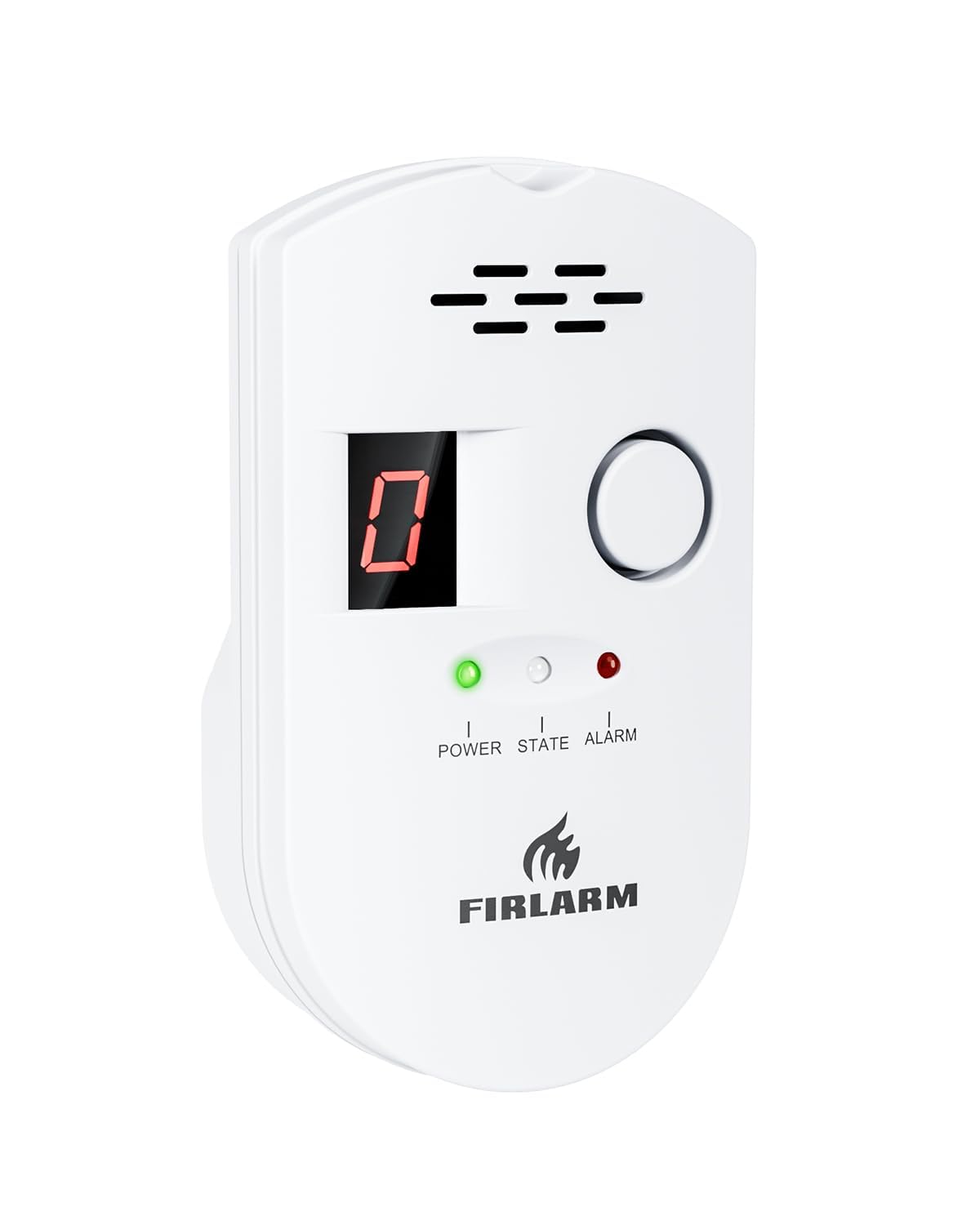
Gas Leak Detector with Alarm
★★★★☆ (1k+ Reviews)
Must-have for modular kitchens. Detects LPG/PNG leaks instantly.
Self-Watering Vertical Garden Pots
★★★★☆ (3k+ Reviews)
Transform your balcony into a green paradise with zero effort.
Modern Decorative LED Wall Mirror
★★★★★ (4k+ Reviews)
Adds a premium touch to your washrooms and vanity areas.
Outdoor Solar Motion Sensor Lights
★★★★☆ (10k+ Reviews)
Perfect for terraces and gardens. No wiring, zero electricity bills.
NEW TREND
Premium Espresso Coffee Machine
★★★★★ (6k+ Reviews)
Luxury for your kitchen. Make café-quality coffee at home.
*Price and availability are accurate at the time of publishing. Verified by Property Specialists.
The roads are quiet.
Lifts arrive quickly.
Parking areas look open.
Amenities seem spacious.
There are few delivery vehicles.
And the clubhouse feels almost private.
But this is not the version of the project residents will experience forever.
The real test begins when most apartments are occupied.
That is why buyers evaluating Vertex Autograph should ask a different question:
“Will this project still feel comfortable when hundreds of families are using it at the same time?”
This is the full-occupancy stress test.
It looks beyond the apartment itself and examines whether the overall community can comfortably manage:
Morning office traffic
School buses
Lift demand
Resident vehicles
Delivery riders
Domestic staff
Amenity usage
Water consumption
Visitors
Waste management
Security movement
A well-planned project should ideally become more lively as occupancy rises without becoming unnecessarily chaotic.
That balance is one of the strongest signs of a community that can work well over the long term.
Why Full Occupancy Matters More Than Early Possession
When only a small percentage of families have moved in, almost every community can feel convenient.
Suppose only 20% of apartments are occupied.
Then:
Fewer people use lifts
Fewer cars leave at 8 AM
Fewer children wait for school buses
Fewer residents use the clubhouse
Water demand remains lower
The experience can be misleading.
Buyers should mentally evaluate the project at:
80–100% occupancy.
That is the better long-term benchmark.
Start With the Master Plan
Full-occupancy performance begins with overall project planning.
Study the Vertex Autograph master plan and look at the relationship between:
Towers
Internal roads
Entry points
Open spaces
Amenity zones
The goal is to understand how residents will move through the community when activity increases.
One Project Can Contain Several Traffic Systems
A large residential development may need to handle:
Resident Vehicles
Cars and two-wheelers.
Visitor Vehicles
Friends, relatives and guests.
School Transport
Buses and vans.
Delivery Traffic
Food, grocery and courier riders.
Service Movement
Maintenance and housekeeping.
If all these flows depend on the same small areas, congestion can increase.
The 8 AM Test
Imagine a weekday at 8 AM.
At the same time:
Professionals are leaving for work
Children are waiting for school transport
Domestic staff are arriving
Cabs are entering
Residents are walking
This is one of the most demanding periods of the day.
Ask:
Can the project handle all of this without creating unnecessary delays?
Lift Demand Becomes Real at Full Occupancy
Lifts are one of the easiest amenities to underestimate.
During early possession, waiting time may be minimal.
Later, several households on multiple floors may try to use the same lift bank simultaneously.
Count Homes per Lift, Not Just Lifts
A project may advertise several elevators.
The more useful question is:
How many apartments effectively depend on each lift bank?
This determines peak-hour pressure much better than the total elevator number.
Morning Lift Demand
Between roughly:
lift users may include:
Office commuters
Children
Domestic staff
Elderly residents
This is when good vertical-circulation planning matters most.
Evening Lift Demand
Between:
the pattern changes.
Residents return.
Children move toward recreational areas.
Food deliveries increase.
Visitors may arrive.
The lifts should continue functioning comfortably during this second peak.
Service Lifts Can Reduce Pressure
Separate service circulation can help manage:
Deliveries
Maintenance
Moving activity
without placing every movement into the main passenger lifts.
Buyers should understand the intended lift arrangement before finalising a tower.
Tower Choice Can Affect Lift Experience
The same project may provide a different day-to-day experience across towers.
When studying the Vertex Autograph floor plan , also consider how many apartments may share:
A good apartment layout is only one part of high-rise comfort.
The “Forgot My Phone” Test
Imagine you reach the parking area and realise your phone is still upstairs.
How quickly can you:
Return to the apartment
Come back down
In a large high-rise community, vertical travel can become a meaningful part of everyday life.
Parking Looks Different When Every Bay Is Used
An empty basement can appear extremely spacious.
Full occupancy reveals the real parking experience.
Ask:
Can cars turn easily?
Is the ramp comfortable?
Are columns positioned awkwardly?
Is the lift lobby easy to reach?
These small details repeat every day.
The Two-Car Family Test
Households can change over time.
A family that owns one car today may later have:
Second car
Additional two-wheeler
Buyers should understand the applicable parking arrangement and future flexibility before assuming one vehicle will always be enough.
Visitor Parking Matters Too
A community may work perfectly for residents while becoming difficult whenever guests arrive.
Check how the project plans for:
Visitor vehicles
Short stays
Event traffic
Visitor parking becomes especially important during weekends and festivals.
The Festival Evening Test
Imagine:
Diwali
Family celebration
Community event
Many visitors arrive at once.
Would vehicles:
Block internal circulation
Crowd drop-off areas
or can the community handle temporary pressure?
This is a useful way to think about parking capacity.
Entry and Exit Gates Can Become Bottlenecks
A wide internal road is useful only when vehicles can enter and leave efficiently.
Security checks may involve:
Resident vehicles
Cabs
Visitors
Delivery riders
A premium community needs both:
strong security
and
smooth movement.
Security Should Not Mean Constant Waiting
Good access control should protect residents without making them spend unnecessary time at the gate every day.
Efficient systems can help manage:
Resident identification
Guest approvals
Delivery entry
The operational process matters as much as the gate design.
Location Still Determines External Congestion
Review the Vertex Autograph location from a full-occupancy perspective.
Ask:
How many surrounding projects may use the same roads?
What happens when several communities become occupied?
A road that feels quiet during construction may become much busier later.
Internal Traffic and External Traffic Are Different
A project needs to perform well in both.
Internal
Parking ramps, gates, drop-offs.
External
Approach roads and larger junctions.
The strongest location manages the complete route.
School Buses Can Create Short but Intense Congestion
School transport usually arrives within narrow time windows.
Imagine several buses and vans entering around:
Families may also arrive in private cars.
The community needs an organised system.
School-Bus Waiting Areas Can Improve Daily Life
Families benefit when children can wait in a:
area away from moving vehicles.
This sounds like a small feature.
For school-going families, it can affect every weekday.
Parents Should Think Beyond Current Child Age
A couple without school-going children today may have them later.
Long-term buyers should imagine how the community works for:
Toddlers
School children
Teenagers
A project needs to support several family stages.
Deliveries Are Now Core Residential Infrastructure
Modern apartment living involves constant:
Food deliveries
Grocery deliveries
E-commerce parcels
Couriers
These are not occasional activities anymore.
A mature community needs to manage them efficiently.
Too Many Delivery Riders Can Create Lobby Clutter
Without clear systems, riders may accumulate near:
Main gate
Tower entrances
Lift lobbies
This can reduce both:
Good operational planning becomes important.
Delivery Convenience Has Two Extremes
Too Restrictive
Residents repeatedly need to travel far to collect everything.
Too Open
Uncontrolled service movement affects privacy and security.
A strong community finds a reasonable balance.
Grocery Deliveries Peak at Particular Times
Evening hours can bring:
traffic simultaneously.
This often overlaps with residents returning from work.
The project should handle both flows.
Domestic Staff Create Another Daily Movement Cycle
Large communities can depend heavily on:
Cooks
Cleaners
Nannies
Drivers
Many enter during similar morning hours.
Their movement should ideally be:
without disrupting resident circulation.
Staff Accessibility Also Matters Outside the Project
A development may look excellent for residents with private cars.
But household staff need practical transport options.
If getting to the project is difficult, families may face:
Higher staff turnover
Higher wages
This is a real livability issue.
Water Demand Changes Dramatically at Full Occupancy
One of the biggest differences between early occupancy and mature occupancy is water consumption.
A few hundred residents use far less water than a fully occupied community.
Ask About Full-Occupancy Water Planning
The correct question is not:
“Is water available now?”
It is:
“How is water planned when the project is fully occupied?”
Buyers should understand the applicable arrangements for:
Primary supply
Storage
Treatment
Reuse
Water Reliability Is More Important Than a Decorative Amenity
Residents may tolerate:
for a few days.
They cannot comfortably tolerate:
Unreliable basic water supply.
Core infrastructure should always be evaluated before lifestyle extras.
Water Can Affect Maintenance Too
If additional private supply becomes necessary, community operating costs may increase.
Water planning therefore influences:
Convenience
Monthly expenditure
Full Occupancy Tests the Sewage System Too
More residents produce more:
A large community needs suitable treatment and management systems.
Infrastructure that appears adequate during early occupancy needs to remain effective later.
Waste Management Becomes a Daily Operational Challenge
Hundreds of households can generate substantial quantities of:
Wet waste
Dry waste
Packaging
The project requires practical systems for:
Collection
Segregation
Movement
without negatively affecting residential areas.
Service Areas Should Remain Service Areas
Poorly planned communities sometimes allow:
Waste
Maintenance
Delivery activity
to spill into resident-facing zones.
A premium community should keep these functions reasonably organised.
Amenities Face Their Hardest Test on Weekends
Review the Vertex Autograph amenities and imagine them at:
6 PM on Saturday.
This is very different from seeing them during a quiet weekday site visit.
The Swimming-Pool Test
If many families use the pool at the same time, ask:
Is the facility large enough?
Will usage need timing rules?
A popular amenity can become crowded precisely because it is successful.
The Gym Test
Gyms tend to experience peak demand:
If many residents want to exercise at the same time, equipment availability becomes important.
The Children’s Play-Area Test
Children often use common play areas during similar hours.
Around:
activity can increase significantly.
Families with children may love this.
Residents facing the area may experience more noise.
The Clubhouse Test
A clubhouse can be used for:
Gatherings
Events
Classes
At mature occupancy, bookings may become more competitive.
Buyers should distinguish between:
amenity exists
and
amenity is easy to access whenever I want.
Amenity Capacity Matters More Than Amenity Count
A project may have many features.
But practical value depends on:
Number of residents
Facility size
Usage rules
This is why a shorter list of adequately sized amenities can sometimes work better than a very long list shared by too many people.
Calculate Amenity-to-Household Pressure
You do not need an exact mathematical formula.
Simply ask:
How many families may want to use this facility during peak time?
This provides a better perspective than counting amenities in a brochure.
Open Spaces Can Become More Valuable With Occupancy
Not everything becomes harder as more residents move in.
A lively community can make:
Walking areas
Parks
Social spaces
feel safer and more engaging.
Children may find:
inside the community.
Occupancy can improve lifestyle too.
The Social Benefit of a Large Community
More households can support:
Clubs
Events
Children’s groups
Fitness communities
This can create a richer residential experience.
For some families, this is one of the biggest benefits of large gated-community living.
But Not Everyone Wants Constant Activity
Some buyers prefer:
Quietness
Low interaction
Tower position can therefore matter.
A unit closer to active community spaces may suit one family and frustrate another.
Noise Changes as Occupancy Increases
Potential noise sources may include:
Children
Vehicles
Events
Deliveries
Lifts
The level depends on the apartment’s position within the project.
Tower Selection Should Consider Noise
When reviewing the project, ask what lies near each tower:
Internal road
Clubhouse
Play area
Main gate
A quieter tower may provide better long-term comfort for:
Remote workers
Senior citizens
The Work-From-Home Occupancy Test
Imagine working from home while:
Children play outside
Deliveries arrive
Vehicles move
Would the apartment remain quiet enough?
This depends heavily on:
The Parents’ Bedroom Test
Senior residents may value a bedroom that is:
Quiet
Away from main circulation
more than a dramatic view.
Full-occupancy noise should influence room selection.
Full Occupancy Can Improve Retail Convenience
As more families move into a large community, demand can support:
Convenience stores
Service providers
Deliveries
This can make daily living easier.
Occupancy therefore brings both:
More Residents Can Improve Cab Availability
Higher residential density can increase demand for:
which may improve service availability around the area.
This is another positive side of neighbourhood maturity.
More Occupancy Can Support Better Local Services
As Tellapur grows, more residents can create demand for:
Grocery stores
Pharmacies
Cafes
Clinics
This can strengthen long-term livability.
Buyers comparing upcoming projects in Tellapur Hyderabad should consider how multiple communities may collectively change the area’s service ecosystem.
But More Housing Can Also Increase Road Pressure
The same new residents who support:
also add:
Cars
School buses
Delivery traffic
Infrastructure needs to keep pace.
The Weekend Exit Test
Imagine leaving the project on:
Saturday evening.
At the same time, other residents may also be:
Going shopping
Dining out
How easy is it to exit and re-enter?
This is a useful lifestyle test.
The Sunday Visitor Test
Weekends may bring more:
Visitor-management systems need to work smoothly without creating long queues.
The Move-In Test
During early years, apartments may be occupied gradually.
That means frequent:
Furniture deliveries
Moving trucks
Interior workers
This transitional period may temporarily increase service traffic.
Mature Occupancy Can Actually Be Calmer Than Handover
Once most interiors are completed, certain disruptions can decrease.
So buyers should separate:
Early Move-In Chaos
from
Mature Community Activity
They are different stages.
Project Maintenance Becomes More Complex With Occupancy
More residents mean:
More lift usage
More waste
More amenity wear
But also:
More households contributing to common expenses
A good management structure needs to balance both.
Maintenance Quality Is the Long-Term Differentiator
Five years after possession, buyers may care less about the original launch brochure.
They will notice:
Lobbies
Lifts
Basements
Landscaping
Amenities
Maintenance determines how well the project ages.
Use the Gallery for Visual Expectations, Not Occupancy Predictions
The Vertex Autograph gallery may help buyers understand the intended visual environment.
But a rendered or low-occupancy image cannot show:
School-bus traffic
Evening amenity demand
Delivery movement
Operational analysis should be done separately.
Price Should Reflect Long-Term Usability
Review the Vertex Autograph price alongside the full-occupancy analysis.
If paying a premium for:
Preferred tower
Better internal position
ask whether it meaningfully improves:
A useful premium can provide value every day.
A Cheaper Unit May Have Higher Daily Friction
A discounted apartment could be near:
Main gate
Service area
Busy amenity
This does not make it bad.
It simply means the price saving should be compared with the lifestyle trade-off.
A Premium Unit Should Solve a Real Problem
Pay more when the premium gives a durable advantage such as:
Quieter location
Better privacy
Better tower positioning
Avoid paying purely because:
Floor number sounds prestigious.
Developer Planning and Execution Matter
Long-term community performance depends partly on project execution and management.
Review the Vertex Autograph About Builder information as part of wider developer due diligence.
The relevant question is not only:
Can the project be built attractively?
It is also:
Can it function well after residents move in?
Regulatory Due Diligence Remains Separate
Buyers should independently review the Vertex Autograph RERA Number information and applicable official records.
Full-occupancy analysis evaluates:
RERA and legal checks evaluate:
Both are important but solve different problems.
Ask Project-Specific Operational Questions
If full-occupancy details are unclear, use the Vertex Autograph Contact information to confirm applicable project details.
Useful questions include:
Lift arrangement
Parking system
Visitor handling
Delivery policy
Water planning
Specific questions produce more useful answers than simply asking whether the project is premium.
Create a Full-Occupancy Scorecard
Rate each shortlisted tower or unit from 1 to 5.
Factor Score Lift Pressure /5 Parking Convenience /5 Gate Access /5 School-Bus Movement /5 Delivery Management /5 Water Planning /5 Amenity Capacity /5 Noise Exposure /5 Visitor Management /5 Maintenance Sustainability /5 Tower Privacy /5 Overall Daily Convenience /5
This provides a more realistic comparison than judging only apartment size.
The 8 AM Score
Imagine peak weekday morning.
Rate:
Would they still feel manageable?
The 6 PM Score
Now imagine:
Residents returning
Children playing
Deliveries arriving
Would the project still feel organised?
The Saturday Score
Imagine heavy amenity use.
Would your family still enjoy:
or would it feel overcrowded?
The Festival Score
Imagine maximum:
Visitors
Cars
Community activity
Can the project absorb temporary peaks?
The Water Score
Imagine every apartment occupied during:
Would basic infrastructure still feel reliable?
This may be the most important full-occupancy question.
The Noise Score
Imagine your apartment on:
Weekday evening
Weekend afternoon
Does its tower position match your preference for activity or quietness?
The Best Tower May Depend on Your Household
Family With Young Children
May prefer easier access to:
Play areas
Community activity
Work-From-Home Professional
May prefer:
Senior-Citizen Household
May prioritise:
Lift convenience
Quiet surroundings
There is no universally perfect tower.
Full Occupancy Can Improve Safety Perception
A mature community often has:
More residents
Regular activity
which can make shared spaces feel active and inhabited.
Early-stage communities can sometimes feel unusually empty after dark.
Full Occupancy Can Build Community
Children may know neighbours.
Residents may create:
Sports groups
Cultural groups
Social networks
For long-term family living, this can add value that does not appear in a price sheet.
But Community Size Should Match Personal Preference
Some buyers enjoy:
Others prefer:
Understand your own preference before choosing a large project.
Do Not Judge the Project Only on Possession Day
Possession day shows:
New paint
Fresh landscaping
It does not reveal mature operations.
The more useful question is:
How will this place function three years after most families move in?
Think Like a Resident, Not a Visitor
A visitor notices:
Entrance
Clubhouse
Landscape
A resident notices:
Lift wait
Parking turn
Delivery process
Water
Residential quality is built from repeated small experiences.
Repetition Makes Small Problems Bigger
A two-minute delay feels irrelevant once.
Repeated:
Twice daily
Hundreds of times annually
it becomes part of the living experience.
That is why operational details matter.
Repetition Also Makes Small Advantages Valuable
A convenient parking bay or efficient lift may save only a few minutes.
But residents benefit from that convenience every day.
Premium value often comes from these repeated small advantages.
Full Occupancy Is Not Automatically a Negative
More residents do not necessarily make a project worse.
A well-planned development may become:
More vibrant
More socially active
Better served
as occupancy rises.
The question is whether infrastructure is designed for that activity.
The Strongest Project Is One That Handles Success
A fully occupied community is, in one sense, a successful residential community.
The real test is whether the infrastructure can handle that success without degrading:
Convenience
Privacy
Maintenance
What Vertex Autograph Buyers Should Prioritise
A practical order is:
1. Core Infrastructure
Water, lifts and access.
2. Parking and Movement
Used every day.
3. Tower Position
Affects noise and convenience.
4. Amenity Capacity
Important for active families.
5. Community Operations
Deliveries, visitors and services.
6. Decorative Features
Important, but after functionality.
Ten Questions to Ask Before Booking
How many apartments share the lift bank?
How is visitor parking handled?
Where do school buses stop?
How are deliveries managed?
How is full-occupancy water demand planned?
Which towers face the busiest internal zones?
Where are service movements concentrated?
How are amenities likely to handle peak usage?
How are residents and visitors separated at entry?
How will common areas be maintained after handover?
These questions can reveal the project’s real everyday design.
The Best Apartment Is Not Separate From the Best Community
A perfectly designed apartment can still become frustrating if:
Lifts are overloaded
Parking is chaotic
Water is unreliable
Likewise, a well-managed community can significantly improve the experience of an ordinary apartment.
Buy both:
the home
and
the community system around it.
Final Thoughts
Vertex Autograph should not be judged only when:
Towers are new
Parking bays are empty
Amenities are quiet
The stronger test is to imagine the project when almost every apartment has become a real household.
That means:
More cars
More school buses
More lift trips
More deliveries
More children
More visitors
Higher water demand
This sounds like pressure.
But it also creates:
Community
Activity
Local demand
Social life
The best residential projects are those where occupancy adds energy without destroying convenience.
For Vertex Autograph buyers, the important question is therefore not:
“Does the project look spacious today?”
It is:
“Will it still feel organised when everyone is here?”
Imagine the community at:
8 AM on Monday.
Then:
6 PM on Wednesday.
Then:
Saturday evening.
Finally:
a festival weekend.
If the project still appears capable of providing:
Manageable lifts
Practical parking
Reliable utilities
Usable amenities
Comfortable privacy
then it has passed a much stronger long-term test.
A good home should not work only when the project is half empty.
It should continue working when the community is completely alive.
That is the real full-occupancy test every long-term Vertex Autograph buyer should perform.
Frequently Asked Questions
Why should buyers consider full occupancy before choosing Vertex Autograph?
Because lift usage, parking, water demand, deliveries, amenities and internal traffic can change significantly when most homes are occupied.
Are lifts more important in a high-rise project?
Yes. Residents depend on them several times daily, so the number of apartments sharing a lift bank is important.
Why should buyers check school-bus movement?
Multiple buses and vans may arrive during a short morning window, potentially affecting internal traffic and family convenience.
How do deliveries affect a large residential community?
Food, grocery and courier deliveries can create regular gate and lobby activity, so organised delivery management is useful.
Is full occupancy bad for amenities?
Not necessarily. It creates greater demand, but well-sized and well-managed amenities can remain useful.
Why is water especially important at full occupancy?
Water demand rises substantially when most apartments are occupied, making long-term source, storage and management planning important.
Can tower position affect full-occupancy comfort?
Yes. Towers close to gates, amenities or busy internal roads may experience more movement and noise.
Should buyers choose a tower close to amenities?
It depends on lifestyle. Families may value convenience, while buyers prioritising quietness may prefer greater separation.
Can occupancy improve the community?
Yes. Higher occupancy can support social groups, children’s activities, retail demand and a stronger sense of community.
Why does visitor parking matter?
Weekends, festivals and gatherings can create temporary parking pressure if visitor movement is not well managed.
What is the simplest full-occupancy test?
Imagine the project at 8 AM on a weekday and 6 PM on a Saturday . Consider lifts, gates, parking, amenities, deliveries and noise under those conditions.
What should Vertex Autograph buyers prioritise most?
Reliable infrastructure, smooth movement, practical lift and parking planning, sustainable maintenance and a tower position suited to the family’s lifestyle should come before purely decorative features.
Post navigation

 By bangaloreupcomingproject